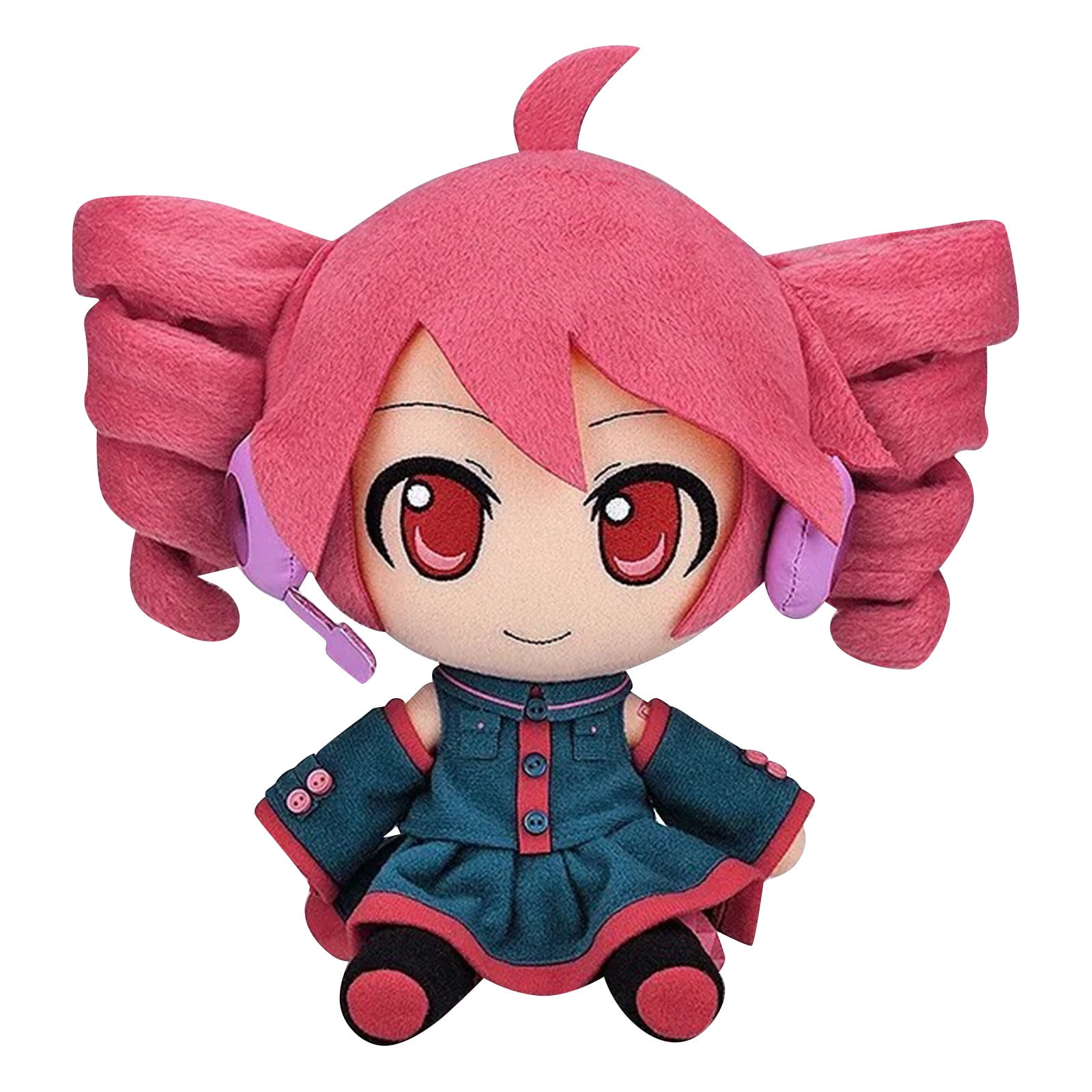
The Kasane Teto Plush Meme: How a Simple Toy Became a Digital Cultural Icon
The Kasane Teto Plush Meme: How a Simple Toy Became a Digital Cultural Icon
When internet culture collides with childhood nostalgia, few symbols capture that moment quite like the Kasane Teto Plush Meme. Originating somwhere between viral design and emotional resonance, this plush character—aniconic, endearing, and oddly expressive—has evolved from a kitschy plush toy into a viral sensation that underscores modern internet humor and emotional storytelling. The furry, throne-over-couch style figure, often depicted with a confident posture atop a tiny, cushioned seat, has transcended its humble beginnings in anime-inspired merchandise to become a powerful meme vehicle across platforms like TikTok, Twitter, and Instagram.
The Surprising Rise of the Kasane Teto Plush Branded initially by Japanese niche toy designers in the late 2010s, the Kasane Teto Plush began as a quiet act of aesthetic meme-making—simple line art and soft color palettes inviting user reinterpretation. Its transformation accelerated when digital creators repurposed the design in looping animations, voiceovers, and exaggerated facial expressions, pairing its cozy silhouette with phrases like “ready to reign” or “no stress, just comfort.” Unlike many viral trends that fade quickly, the Kasane Teto maintained longevity through emotional relatability. The plush’s design—soft, oversized, and inherently non-threatening—resonates with audiences navigating modern anxiety, offering a symbol of calm amid chaos.
This psychological dimension fuels its reappearance in content cycles every 18–24 months, typically timed with seasonal release waves or community-driven challenges. Design and Symbolism: More Than Just Fur and Fingers The Kasane Teto’s visual language is deceptively simple yet rich in symbolic nuance. Constructed from dense polyester fiberfill with a matte finish, the plush embodies comfort through tactile appeal—easy to hug, sit beside, or pin to clothing.
Its signature “teto” posture—seated upright, often with hands resting lightly on a miniature seat—communicates quiet confidence and control. “This isn’t just a character,” explains digital culture analyst Mei Tanaka. “It’s an emotional shorthand.
The pose signals dominance in stillness, turning calm into strength. That’s why creators anthropomorphize it—giving it expressions, voices, and even backstories.” These anthropomorphic elements transform the plush from object to persona, deepening audience investment. Meme Evolution and Cultural Impact What began in low-traffic anime fan forums quickly spread through platform-specific formats.
Early adoption appeared on Reddit’s anime-focused subreddits, where users shared custom animations pairing the toy’s image with sarcastic or aspirational captions like “plushed but unstoppable” or “ruling my DMs from my desk.” On TikTok, creators designed rapid-fire sketches—often timed to flash cuts of panic-eating, gaming triumphs, or passive-aggressive remarks—with the Kasane Teto as the stoic witness or ironic anchor. These snippets, averaging 15–30 seconds, capitalized on quick emotional payoff. By 2022, the plush permeated broader meme ecosystems, spawning derivative characters in similar “seated authority” designs, sometimes with humorous twists—e.g., a “Kasane Teto Reboot” with exaggerated computer glitches or AI sarcasm.
Retailers capitalized on this momentum, releasing limited edition plush collaborations with anime studios, gaming communities, and even mental wellness brands, each cycle reinforcing its cultural footprint. Why the Kasane Teto Endures In a digital landscape crowded with fleeting trends, the Kasane Teto Plus Meme endures due to a rare blend of accessibility, emotional resonance, and creative flexibility. - **Universality**: Its soft design avoids polarization—appealing to gamers, anime fans, and quiet-comedy lovers alike.
- **Replay Value**: The simplicity of its aesthetic allows endless artistic reinterpretation, from hand-drawn GIFs to 3D renderings. - **Emotional Anchoring**: Beyond humor, the character embodies calm authority, making it a mental “safe space” for users in stressful moments. As social psychologist Dr.
Elias Wong notes, “People don’t just share memes—they share *feelings*. The Kasane Teto succeeds because it mirrors that desire: a small, comforting presence in a noisy world.”
The Kasane Teto Plus Meme stands as a compelling case study in how niche charm, when paired with emotional authenticity and digital creativity, can evolve from a playful toy into a lasting cultural symbol—one that continues to spark joy, conversation, and creative reinvention across global audiences.



Related Post
Paul Reubens: Peewee Herman’s Velocity Icon Dies at 70, Ends a Pub Crawl With Legacy That Endures</h2> In a twilight marked by both cinematic memory and untold facets of his life, Paul Reubens, the man behind the slobbery, eccentric, and outspoken Peewee Herman, passed away at 70. Known for redefining childhood rebellion on screen, Reubens’ death closes a chapter in American pop culture, one that blended vulgar humor with heartfelt authenticity. Once a household name from the 1980 hit film, his legacy extends far beyond the red-and-white striped shorts, now inseparable from the character who captured a generation’s cantankerous charm. <p>Born in Baltimore, Maryland, in 1952, Reubens emerged not just as an actor but as a performer unafraid of pushing boundaries. His embodiment of Peewee Herman—a defiant, snarly-haired antihero—blended physical comedy with sharp, streetwise dialogue that struck a chord with audiences hungry for authenticity. The Peewee Herman series, though commercially successful, often overshadowed Reubens’ broader artistic range. Few realize he appeared in Broadway plays, voice acting, and even avant-garde theater, proving his talents extended well beyond children’s television. As *Chicago Sun-Times* noted in its obituary, “Reubens was more than a child star—he was a performer who leveraged innocence into subversion.” <h3>A Career Built on Risk and Voice</h3> Reubens’ early career was defined by bold choices. Before Peewee, he starred in off-Broadway productions such as *The Spook Who Sat by the Door*, where his dramatic range simmered beneath the surface, hinting at complexity beneath the goof. With Peewee Herman, launched in 1985, he abandoned subtlety entirely: “Make them laugh, make them weird, make them remember,” Reubens once said, capturing the essence of his performative philosophy. The character’s signature voice—raspy, gravelly, dripping with sass—became iconic, a vocal signature recognized by millions. <p>The 1980s explosion of Peewee Herman’s films turned Reubens into a curious cultural paradox: a serious actor whose most beloved role was pure absurdity. Yet, in interviews, he insisted his performance was deliberate—a nuanced portrait of teenage defiance. “I didn’t play a cartoon character,” he explained. “I played a version of me—rough around the edges, protective of friends, screwed up, but loyal.” This authenticity resonated in an era increasingly skeptical of artificial corporate branding, making Peewee’s appeal timeless. <h2>Personal Life and Shadows Beyond the Spotlight</h2> Beyond the screen, Reubens navigated a life marked by both acclaim and private complexity. Always a confessed fan of rock ’n’ roll and jazz, his persona extended into music and visual art, though these pursuits rarely entered mainstream discourse. He resided in New York’s Greenwich Village, a neighborhood steeped in artistic tradition, maintaining long-standing friendships with peers across disciplines. <p>Despite the glare of fame, Reubens valued privacy fiercely. The Velvet Crimeoclub — a performance space and cultural hub — served as a sanctuary where he entertained trusted artists and writers. In rare public appearances, he spoke candidly of battling creative stagnation and the weight of typecasting, once remarking, “People remember the mask, not the man.” Such reflections humanized the performer, revealing layers beneath the red-and-white attire. <h3>Leadership, Mentorship, and the Legacy of Peewee</h3> Reubens’ influence reached beyond performance into mentorship. He supported emerging artists through workshops and collaborative projects, particularly those exploring boundary-pushing storytelling. The Peewee Herman Archive, now studied in theater programs, illustrates how he transformed personal quirks into universal themes of identity and belonging. <p>The character became a cultural touchstone, symbolizing youthful rebellion and resilience, but Reubens resisted reducing himself to a symbol. “Herman isn’t me,” he clarified in *Sun-Times* features, “he’s a story I inherited—and a story I continue telling, oddly enough, decades later.” This duality—public icon, private craftsman—defined his enduring presence. <h2>Enduring Impact: Why Peewee Herman Still Slaps the Nerve</h2> Even after the curtain fell, Peewee Herman retains pulse in internet memes, fashion revivals, and genre homages. His snarl, “You ya ridiculous—bury me!” echoes in viral clips and social commentary. Yet Reubens’ true legacy lies not in viral fame but in the authenticity he brought to every role. <p>Critics and fans alike praised his ability to fuse humor with emotional truth. As theater historian Dr. Elena Park observed, “Reubens taught audiences that vulnerability and absurdity coexist. He made slobberness feel sincere.” Whether in a Intervals show, a Broadway curtain call, or a private art session, Paul Reubens remained fundamentally creative—too often typecast, never fully understood. <h1>Paul Reubens, Peewee Herman’s Velocity Icon Dies at 70 — Ends a Velocity Legacy That Never Grew Old

Discover Your Next Eondercation: Top Cabo San Lucas Resorts Redefine Luxury & Relaxation

Does Simon Cowell Have a Son with Special Needs? The Private Life Revealed

Build Websites with VS Code and Python: A Beginner’s Step-by-Step Guide